It’s raining as I write this. Good rain, what we call land rain where I live. Neither too heavy nor too light. Just right to infiltrate the ground refreshing and recharging the landscape and the aquifers. We don’t see rain like this very often anymore. Lately rain is either absent for weeks or months at a time or it arrives all at once, in deluges of big fat drops that bounce off the ground and spill across the surface carrying soil and detritus to swollen rivers and eventually the sea.
While I revel in the sound of this gentle rain and appreciate the way it is nourishing the land that nourishes me, elsewhere in the country people are without water, with services suspended due to ‘higher than anticipated demand’ because of a heatwave. Relying on shipments of bottled water, water gathered elsewhere and transported in neat plastic packaging.
This is the world we live in now. A world of uncertainty and of contrasts. A world that demands we adapt. That we find novel ways of attending to our responsibilities. A world that invites innovation and creativity.
Historically we have done very well as a species in developing technologies and processes that worked effectively to address the challenges we faced and that supported our needs. But as the rate of change accelerates, as uncertainty grows, we must also grow. We must put aside our ideas of the ‘way it has always been done’ and we must lean out into broader spaces with softer edges being prepared to try new and novel ways of addressing our challenges, ways that can adapt and shift as the world changes. This approach is not new. It is how our world evolved. It is how nature functions when left to its own devices. Constant small adjustments to return always to balance.
This is the basis of our approach at Syrinx Environmental. Being response-able, designing projects and solutions that mimic natures capacity for adaptation and adjustment not just its processes. Our highly awarded #EnPhytoBox is just one example of how we are emulating natures ancient technologies to filter and recover water systems, to transform waste into resources, and build resilience.
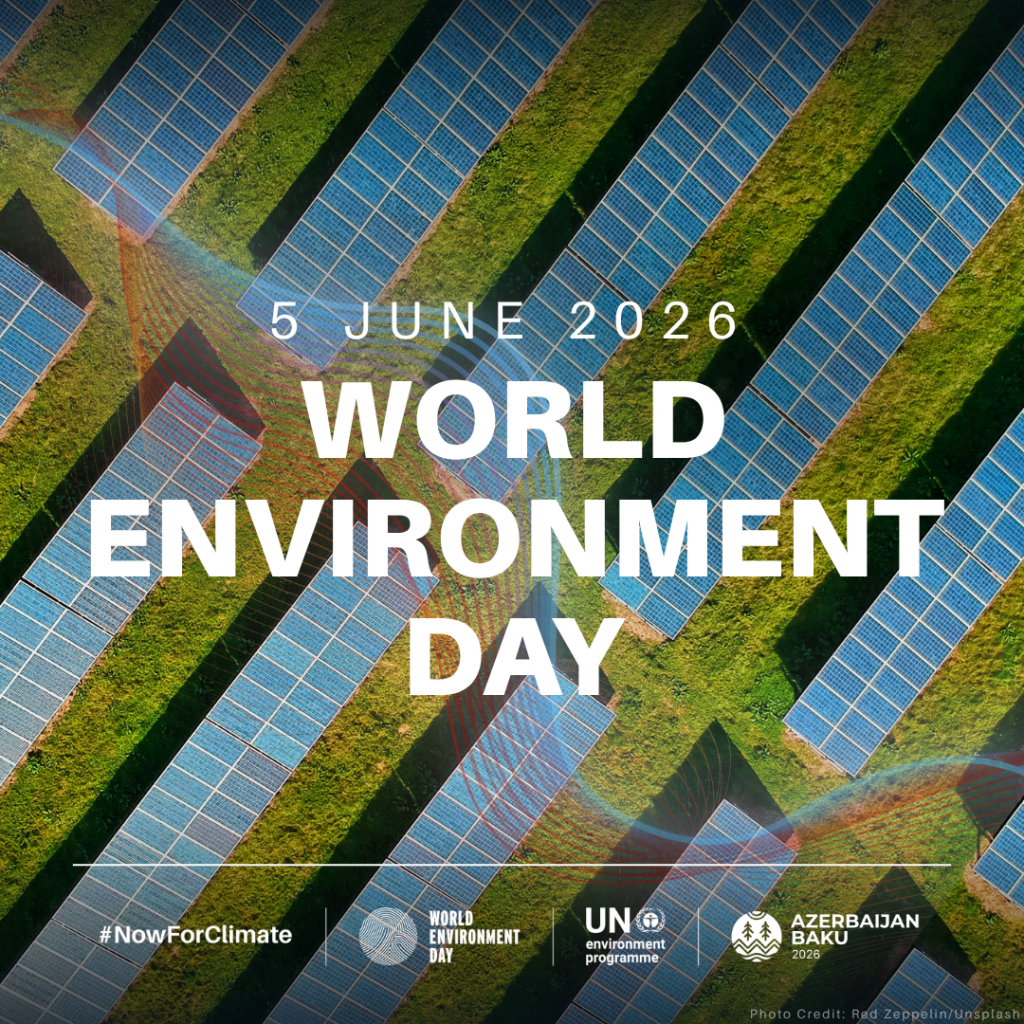
It’s World Environment Day on June 5th. Like the rainfall Environment Day has also changed. Established in 1972 World Environment Day ultimately led to the creation of the United Nations Environment Program and has now grown into a tremendous platform for environmental outreach giving all of us the opportunity to talk about Environmental Issues and how they might be addressed. On this World Environment Day will you accept the invitation to explore what is new and innovative, to seek out solutions that are adaptable and responsible?
-Kathryn Hardcastle